Advanced Sliding Door Systems for Small Spaces: Make the Most of Your Space
Creative sliding door options provide real benefits for optimizing compact areas. By doing away with the necessity for swing room, these doors create smooth transitions between spaces. Selections including pocket doors and bypass doors optimize spatial use while adding materials such as glass boosts natural illumination and a sense of openness. As metropolitan residential spaces progressively decrease in size, grasping the different styles and characteristics on offer proves critical for functional design. Which particular options can convert a small space into a practical retreat?
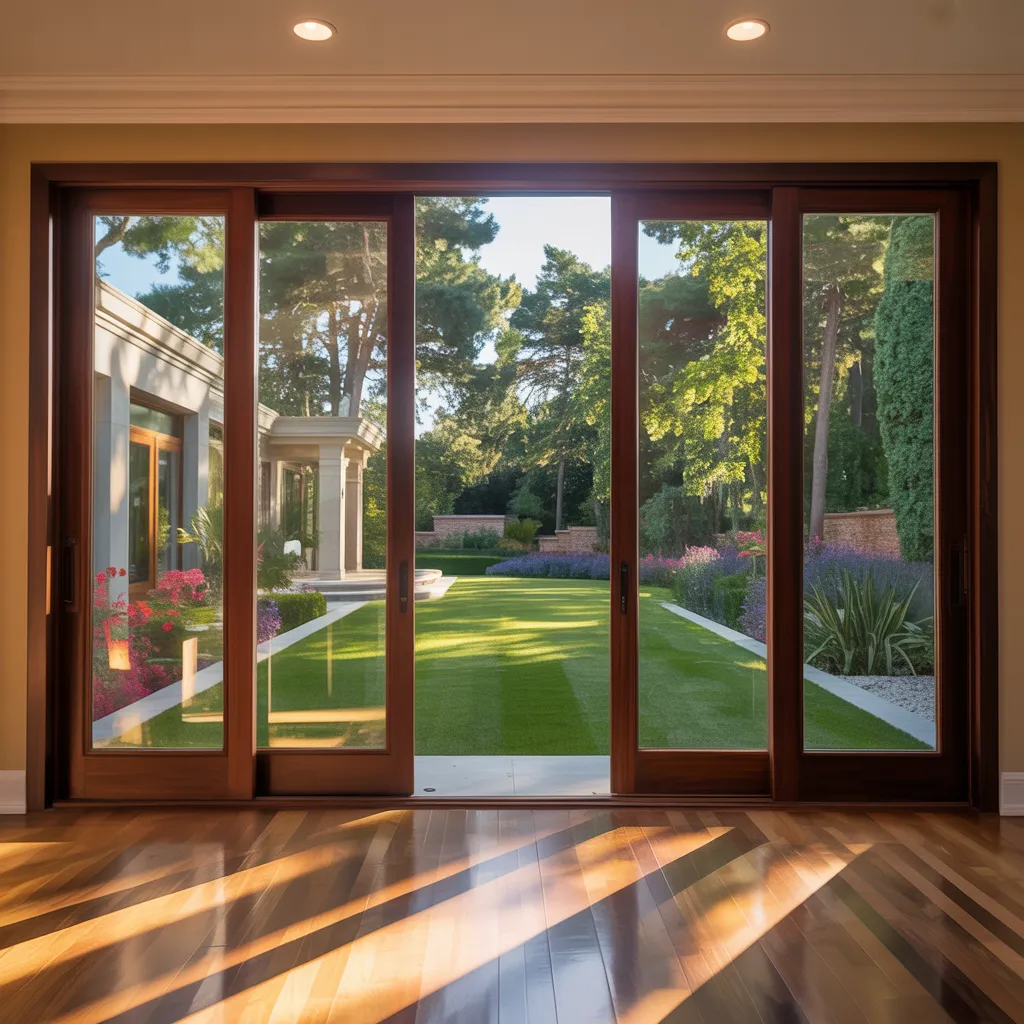
The Benefits of Sliding Doors for Small Spaces
Sliding doors deliver a range of advantages especially ideal for limited spaces. Their construction facilitates effortless movement between living areas while eliminating the need for supplementary floor space for door swings. This feature is particularly beneficial in smaller rooms where space is at a premium. Additionally, sliding doors can enhance natural light flow, producing the impression of a more expansive environment.
Many sliding door varieties feature glazed panels, which not only illuminate interiors but also foster visual harmony between inside and outside areas. In addition, sliding doors are customizable to accommodate numerous style preferences, enabling homeowners to keep their distinctive look while enhancing the use of available space.
Additionally, they are frequently fitted with compact hardware that cuts down on clutter, significantly increasing the room's overall usability. In summary, sliding doors provide an ideal choice for limited spaces, merging practicality and contemporary design to optimize both usability and visual appeal.
Selecting the Ideal Type of Sliding Door
When selecting the ideal sliding door for a small space, there are several factors to keep in mind. For starters, the door's size and configuration are essential. A pocket door, which tucks away into the wall, can maximize floor space and improve accessibility. Alternatively, bypass sliding doors move parallel to one another, making them suitable for narrower openings.
Additionally, the appearance of the door should enhance the aesthetic of the room. Options range from traditional to contemporary designs, allowing homeowners to align the door with their decor. Furthermore, utility is a key factor; some doors offer enhanced insulation or soundproofing features, which can be beneficial in multi-purpose areas.
Finally, the ease of installation and maintenance is important. Homeowners ought to evaluate whether expert installation is required and how much maintenance the door will demand. Through assessing these aspects, individuals are able to find a sliding door that enhances both functionality and visual appeal.
Modern Materials for Sliding Doors
The selection of materials significantly influences the performance and visual appeal of contemporary sliding doors. Modern options include wood, glass, metal, and composite materials, each providing distinct advantages. For instance, glass sliding doors increase natural light and promote a feeling of openness, making them perfect for smaller spaces. They can be framed with aluminum or wood to enhance durability and aesthetic appeal.
Wood offers warmth and can be customized in various stains and finishes, giving a timeless appearance that complements classic interiors. Doors made of metal, commonly constructed with aluminum or steel, offer strength and security while maintaining a polished, modern look.
Blended materials merge the best aspects of natural wood and synthetic alternatives, offering durability against moisture and structural warping. This variety allows residents and interior designers to select sliding doors that match their specific needs and aesthetic preferences, ultimately optimizing both space and style in smaller living spaces.
Smart Space-Saving Solutions With Sliding Doors
A well-placed sliding door can significantly improve the usability of limited spaces. By eliminating the need for swing space, sliding doors free up more floor space, making them well-suited for small spaces. Choosing a pocket sliding door can even better utilize your floor plan, as it tucks away into the wall when opened, maintaining an open floor area.
Incorporating mirrored sliding doors can also give the impression of a more spacious room while offering practical storage solutions. In tight hallways or entryways, a barn-style sliding door can add charm without compromising room dimensions.
To maximize versatility, look into versatile sliding door solutions that separate living areas while accommodating an open floor plan when required. Additionally, using lighter-weight materials can ease the operation of the door, guaranteeing seamless transitions. These actionable suggestions can transform small spaces into practical, attractive spaces, showing that effective design does not require vast square footage.
Intelligent Features for Privacy and Natural Light
In what ways can smart technology improve privacy while still permitting natural light to pass through sliding doors? Contemporary sliding doors featuring smart technology provide creative approaches to accomplishing both goals. Glass panels can feature adjustable opacity, allowing users to shift from transparent to frosted at the touch of a button. This functionality guarantees that natural light permeates the space while maintaining privacy when needed.
Furthermore, intelligent window solutions, such as automated blinds or shades, can be set up to adjust based on the time of find details about day or room usage, delivering both flexibility and convenience. Smart sensors can monitor ambient light levels, adjusting the opacity or shading to balance both privacy and illumination. Moreover, compatibility with home automation platforms empowers homeowners to operate these features remotely, boosting both security and comfort. Such developments not only enhance the functionality of compact spaces but also support a harmonious balance of light and privacy.
Sliding Door Care and Installation Guidelines
Successful installation and maintenance of sliding doors can greatly enhance their longevity and functionality. Correct installation starts with precise measurements to ensure a perfect fit within the frame. It is important to balance the track and carefully fasten it, which eliminates future performance complications. Regularly checking and cleaning the tracks is essential; dirt and debris can hinder movement. Applying silicone spray to the rollers and tracks assists in preserving seamless functionality.
When it comes to upkeep, checking the door seals periodically can keep drafts and moisture at bay. Furthermore, handling any scratches or dents promptly preserves the aesthetic appeal. When misalignment occurs, repositioning the rollers may fix the concern. Residents should additionally inspect the locking mechanisms to confirm that safety is not affected. By following these installation and maintenance tips, individuals can maximize the efficiency and lifespan of their sliding doors, making them a valuable addition to small spaces.

Commonly Asked Questions
Do Sliding Doors Help Boost Home Energy Efficiency?
Sliding doors are capable of improving residential energy efficiency by delivering superior insulation and decreasing air leakage. High-quality sliding doors, outfitted with thermally efficient glass, assist in preserving indoor temperatures, effectively reducing heating and cooling expenses for homeowners.
Do Sliding Doors Pose Any Safety Risks for Children and Pets?
Sliding doors may present safety hazards for kids and animals owing to their glass design and the risk of accidental operation. That said, safety measures including tempered glass and reliable locks can reduce these risks considerably.
What Are the Most Effective Methods for Cleaning Sliding Door Tracks?
To clean sliding door channels effectively, you should start by removing loose dirt and particles using a vacuum or brush, followed by apply a soapy cloth to clean the sliding tracks. Thoroughly rinse and dry to avoid future debris accumulation.
What Is the Expected Lifespan of a Sliding Door?
The average lifespan of a sliding door usually spans between 20 and 30 years. Factors influencing durability consist of material quality, regular maintenance, and environmental conditions, all of which play significant roles in the door's longevity.